 By Miles Sinclair
Updated November 2026
Advent calendar ideas UK families use most fall into a few clear groups: sweets and small treats, activity-based days, a themed countdown with a story, and reusable setups you can refill each year. This guide walks you through choosing a style, planning 24 or 25 days without burning out, filling each pocket, and avoiding the mistakes that make a calendar feel like a chore by December 10th. By the end you will have a plan you can start this week.
Start With the Type of Calendar You Want
Before you pick a single filler, decide what kind of calendar you are building. The format shapes everything else, including how much you will spend time and money on and how long it will last.
Shopping for one? See our guide: 7 Best Romantic Advent Calendar Ideas for Couples (2026).
Chocolate and sweets calendars
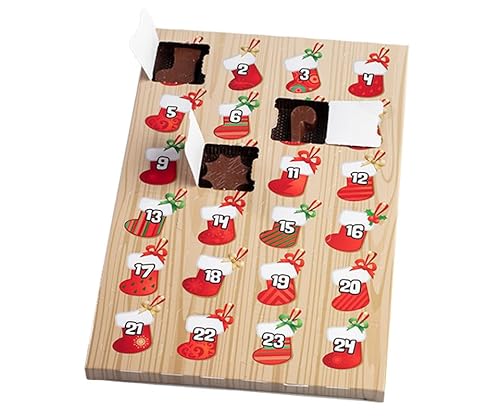
The classic pocket calendar with a chocolate behind each door is still the most common in British homes. It is quick to buy and easy for children to understand. The downside is sugar overload and a lot of packaging, so many parents now mix sweets with other small items rather than filling every door with chocolate.
Activity and experience calendars
These swap treats for tasks: a short walk to see Christmas lights, baking one batch of shortbread, reading a festive story in pyjamas, or writing a card to a neighbour. They suit families who want to spend the month together rather than unwrap items. Keep each activity to 15 to 30 minutes on school nights so it does not become another thing to rush through.
Themed and story calendars
A theme gives the calendar a spine. Examples include a winter village built up door by door, a treasure hunt that leads to a final gift, or a “twelve days of Christmas” style countdown with small items tied to the song. Themes work especially well for younger children because each day feels like part of one story.
Reusable calendars
Reusable setups use fabric pockets, wooden boxes or a set of numbered gift bags that you refill each year. Upfront effort is higher, but you can keep the same structure for years. If you like this approach, our guide to Reusable Advent Calendar Ideas: 12 Designs Families Can Reuse Every Year covers specific designs that hold up well.
Plan Your 25 Days Before You Buy Anything
A calendar that runs out of ideas on December 14th is one of the most common regrets. Planning on paper first solves this.
Step 1: Count your days and your people
Most UK calendars start on 1 December and run to Christmas Eve, which gives you 24 openings plus a final day on the 25th. If you have more than one child, decide whether each gets their own calendar or whether one calendar serves everyone. Shared calendars need more variety to avoid arguments.
Step 2: Sort ideas into categories
Write down 30 to 40 ideas, then group them. A balanced month usually includes:
- Several food-based treats (sweets, baking, a special hot chocolate)
- A mix of active and calm days
- Small practical items such as stickers, pencils, or socks
- Two or three “bigger” days, such as a trip to a local event or a film night
- Kindness or family-connection days, like writing notes to grandparents
Step 3: Map the month
Place activities on a calendar grid. Put the bigger treats on weekends, the quick ones on busy weekdays, and avoid two heavy sugar days in a row if you can. This small step prevents the usual pattern of a generous first week followed by a thin final stretch.
Step 4: Build a backup list
Keep five to ten spare ideas that need nothing from a shop, such as “choose a film,” “make paper snowflakes,” or “pick a board game.” You will need them when a day goes wrong or when you run short of supplies.
Filler Ideas That Work Across Age Groups
Good filler is cheap in effort, easy to store and something the recipient will actually use. Here are approaches that work for most UK households.
For younger children (ages 3 to 7)
- Stickers, small crayons and mini colouring books
- Festive hair clips, socks or mittens
- A single new storybook or a bath bomb
- A “wear your pyjamas to school” note or a special breakfast
For older children and teenagers
- Phone accessories, earbud cases or a small notebook
- Gift cards for a favourite shop or app
- Vouchers for a later outing, such as a cinema trip
- Their favourite snack or a chance to choose the family film
For adults
- Tea or coffee samples, a fancy biscuit or a single truffle
- A lip balm, hand cream or small candle
- A handwritten note, a quiz or a crossword puzzle
- A day off chores or a shared task you do together
If you are building a calendar for a partner, our article on Advent Calendar Ideas for Her UK: 25 Thoughtful Picks by Day offers day-by-day suggestions that avoid generic gifts. For a grown-up audience with a bit more humour, see Unique Adult Advent Calendar Ideas: 12 Picks That Go Beyond Chocolate.
Step-by-Step: Building a Calendar at Home
- Choose your base. Buy a ready-made calendar, or make one from paper bags, envelopes or a cardboard grid. Number each slot clearly.
- Write your list. Match each number to a planned item so you are not deciding on the morning of the 9th.
- Wrap or pack each day. Use the same size bag or box for every day so the calendar looks balanced. Small items can be wrapped in tissue to add a bit of drama.
- Add a short note. A one-line clue, instruction or joke makes even a cheap item feel planned.
- Store safely. Keep the packed calendar somewhere out of reach of small hands and pets, and check for anything that could be a choking hazard for under-3s.
- Review on 15 December. Check how many days are left and whether anything needs restocking.
Tools and Materials You Will Need
| Item | Why you need it |
|---|---|
| Numbered pockets or bags | Keeps the order clear and stops mix-ups |
| Labels or a marker | Lets you write day numbers or short clues |
| Tissue paper or ribbon | Adds a sense of occasion to small items |
| Planning sheet | Holds your list so you can check days off |
| Small storage box | Keeps spare items separate until needed |
Common Mistakes to Avoid
- Front-loading the good stuff. Spread bigger treats across the month so the last week still feels exciting.
- Too much sugar. Mix in non-food items every few days, especially for younger children.
- Ignoring school and work schedules. A treat that needs an evening out will fail on a Tuesday when everyone is exhausted.
- Forgetting allergies. Check every food item for nuts, dairy, gluten and any dietary needs, and read labels carefully. If there is a serious allergy, consult the family’s doctor or allergy specialist before planning food days.
- Overbuilding. Twenty-five elaborate days is a lot. A few well-chosen extras work better than a full calendar of effort that burns you out.
- Not writing things down. Memory fails by mid-December. Keep your list somewhere visible.
Tips for a Calendar That Lasts All Month
- Pre-pack the first week and the last week at the same time so both feel finished.
- Involve children in choosing activities. They will look forward to days they helped plan.
- For shared calendars, rotate who “picks” the day’s item to keep things fair.
- Keep one or two surprise days that are not on the list. They are often the most memorable.
- If you are short of time, lean on experience days that cost nothing but attention.
Recommended gear
These are general-purpose items that make homemade or semi-homemade calendars easier to build and refill. Check current availability and specifications on each listing before you buy.
- Numbered fabric advent calendar pockets are a good base for a reusable setup because the slots stay in place and can be washed. View on Amazon
- Kraft paper gift bags with drawstring tops give you a uniform size for every day and work well for wrapping small items. View on Amazon
- Wooden advent calendar boxes with drawers suit activity-based or reusable calendars and look good on a shelf or mantel. View on Amazon
- Adhesive number stickers help you label bags quickly if you are making your own calendar. View on Amazon
FAQ
When should an advent calendar start in the UK?
Traditionally it starts on 1 December and runs to Christmas Eve, with a final opening on 25 December in many homes. Some families start on the first Sunday of Advent instead, so the count matches church calendars. Either works; just decide early so you can plan the number of days.
What are good advent calendar ideas UK families can do without spending much?
Activity-based ideas cost little or nothing. Examples include a bedtime story, a walk to look at Christmas lights, baking a batch of biscuits, making paper decorations, writing thank-you cards, or choosing the family film for the evening.
How many days should I plan if I am making a calendar for a partner or adult?
Plan 24 or 25 days, with the final gift on the 25th or on the last day before a holiday break. Mix small practical items with treats and a few experience-based days so the calendar does not feel repetitive.
Can I reuse an advent calendar next year?
Yes, if you choose a reusable design such as fabric pockets, wooden drawers or numbered boxes. Store the calendar in a dry place, check for damage each autumn, and keep a list of what you used so you do not repeat items.
How do I make an advent calendar safe for young children?
Avoid small items that could be swallowed by children under three, and check that packaging is secure. Keep the calendar out of reach and supervise any opening. If you are unsure about a specific item’s suitability for your child’s age, check the manufacturer’s labelling or ask your child’s health visitor or GP.
How do I handle food allergies in a chocolate calendar?
Read the ingredients on every item, look for “may contain” warnings, and consider a nut-free or dairy-free alternative calendar. If a family member has a serious allergy, consult their doctor or allergy specialist for guidance and keep emergency medication accessible.
What if I run out of ideas halfway through?
Use your backup list. Choose low-effort options such as a family game, a film night, a favourite snack or a note of thanks. Keeping a spare few ideas in reserve is the simplest fix.
Conclusion
Good advent calendar ideas UK families return to share three traits: a clear format, a balanced month and a little room for surprise. Decide on your style, plan all 25 days on paper, and mix treats with experiences so the calendar holds its energy until Christmas. Start with a short list this week and the rest of December will feel much easier.
Related reading
Ready to choose one?
About Miles Sinclair
Miles Sinclair is part of our editorial team and reviews and edits our family traditions all year guides, checking product details against manufacturer specifications and owner feedback.